Ignorer et passer au contenu


If you’ve noticed your car’s steering feels loose, your tires are wearing unevenly, or there’s a clunking noise when turning, your tie rods might be failing. As critical components of your vehicle’s steering system, tie rods connect the steering gear to the wheels—keeping your car responsive and safe. But how much does it cost to replace them, and what factors affect the price?
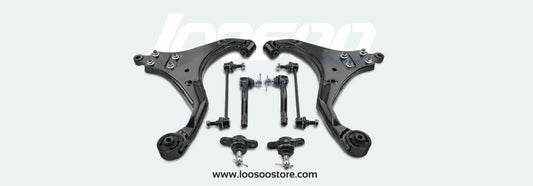
In this guide, we’ll break down the average tie rod replacement costs, common symptoms of failure, and how to avoid overpaying. We’ll also share tips for choosing reliable replacement parts (including trusted brands like Loosoo) and what to expect during the repair process.
What Is a Tie Rod—and Why Does It Need Replacement?
A tie rod is a metal rod with ball joints at both ends, linking the steering rack to the wheel hubs. There are two types:
- Inner tie rod: Connects to the steering rack.
- Outer tie rod: Attaches to the wheel hub (visible as a threaded "end" near the tire).
Over time, tie rods wear out due to:
- Vibration and road debris: Potholes, gravel, and daily driving loosen the ball joints.
- Lack of lubrication: Dried-out grease leads to metal-on-metal friction.
- Age: Most tie rods last 50,000–100,000 miles (80,000–160,000 km), depending on driving conditions.
Key warning signs:
- Steering wheel vibration at highway speeds.
- Uneven tire wear (especially "feathering" on the edges).
- Loose or "sloppy" steering (needs more effort to turn).
- Clunking or clicking noises when turning.

Tie Rod Replacement Cost: 2025 Averages & Factors
Tie rod replacement costs vary based on your car’s make/model, the type of tie rod (inner/outer), and labor rates. Here’s a breakdown of typical expenses:
1. Parts Cost
- Aftermarket tie rods: $30–$150 per rod (e.g., Loosoo premium tie rods: $80–$120, known for durable ball joints and corrosion-resistant coatings).
- OEM (Original Equipment Manufacturer) parts: $80–$300 per rod (e.g., Ford F-150 OEM inner tie rod: $200).
2. Labor Cost
Mechanics charge $50–$150 per hour. Replacing one tie rod takes 1–2 hours; both sides (common) takes 2–3 hours. Labor costs typically range:
- Economy cars (Honda Civic, Toyota Corolla): $100–$200 total.
- Mid-size SUVs (Ford Explorer, Toyota RAV4): $150–$300 total.
- Luxury/heavy-duty vehicles (BMW X5, Ford F-150): $200–$400 total.
3. Total Replacement Cost
Combining parts and labor, most drivers pay:
- One tie rod: $150–$450 (parts + labor).
- Both tie rods: $300–$800.
Example: A 2020 Honda Civic with two worn outer tie rods:
- Loosoo aftermarket parts: $80 x 2 = $160.
- Labor (1.5 hours at $100/hour): $150.
- Total: $310.
5 Factors That Affect Your Tie Rod Replacement Cost
1. Vehicle Make & Model
Luxury or heavy-duty vehicles (e.g., Mercedes-Benz, Ford F-250) have larger, more complex tie rods—costing 2–3x more than economy cars.
2. Inner vs. Outer Tie Rod
Outer tie rods are easier to access (lower labor cost), while inner tie rods require removing the steering rack (higher labor).
3. Parts Quality
Aftermarket brands like Loosoo offer OEM-equivalent quality at lower prices. Cheap "universal" rods may fail faster, costing more long-term.
4. Location
Urban areas (e.g., New York, LA) have higher labor rates ($120–$150/hour) vs. rural areas ($50–$80/hour).
5. Additional Repairs
Worn tie rods often damage other steering components (e.g., ball joints, alignment). A post-replacement wheel alignment ($50–$150) is usually required to prevent tire wear.

How to Save Money on Tie Rod Replacement
1. Choose Reputable Aftermarket Parts
Brands like Loosoo engineer tie rods to match OEM specs—with features like:
- Greaseable ball joints: Extend lifespan by allowing lubrication.
- Zinc-plated coating: Resists rust in snowy or coastal areas.
- Warranty: Most offer 2–5 years of coverage (vs. 1 year for cheap generics).
2. Compare Quotes
Get estimates from 2–3 mechanics. Some independent shops charge 30% less than dealerships for the same parts.
3. Replace Both Sides at Once
If one tie rod is worn, the other is likely close to failure. Replacing both saves labor costs (vs. paying twice).
4. Ask About Alignment Packages
Many shops bundle tie rod replacement with a wheel alignment at a discounted rate.
FAQ: Common Questions About Tie Rod Replacement
Q: Can I drive with a bad tie rod?
A: No. A failed tie rod can cause loss of steering control—risking accidents. If you notice symptoms, repair it immediately.
Q: How do I check if my tie rods are bad?
A: Jack up the front wheels, grasp the tire at 12 and 6 o’clock, and wiggle it. If there’s play, the tie rod or ball joint is worn.
Q: Do I need an alignment after replacing tie rods?
A: Yes. Tie rod adjustments change wheel angles—alignment ensures even tire wear and proper steering.
Q: How long does tie rod replacement take?
A: 1–3 hours, depending on access and whether both sides are replaced.
Final Thoughts: Invest in Safety
Tie rods are a small part with a big impact on safety. While replacement costs vary, prioritizing quality parts (like Loosoo) and timely repairs will save you money long-term—avoiding tire damage, steering issues, or accidents.
Whether you’re driving a compact car or a heavy-duty truck, understanding tie rod replacement costs and symptoms empowers you to make informed decisions. And with trusted brands like Loosoo, you don’t have to sacrifice quality for affordability.