Ignorer et passer au contenu


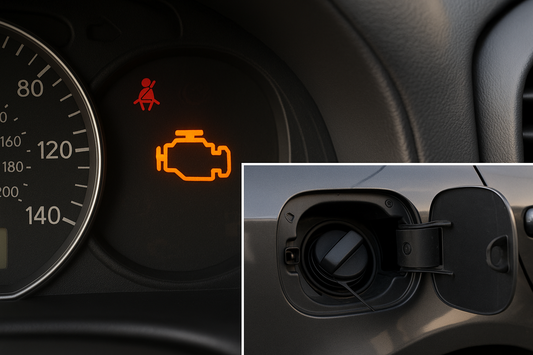
If your check engine light suddenly pops on, panic might set in—but before you rush to the mechanic, take a second to check your gas cap. A loose, damaged, or missing gas cap is one of the most common (and easiest to fix) reasons that warning light illuminates. In this guide, we’ll explain why a loose gas cap triggers the check engine light, how to diagnose the issue, and when to replace your cap—plus why Loosoo gas caps are a reliable, affordable choice for long-term peace of mind.
Why Does a Loose Gas Cap Cause the Check Engine Light to Turn On?
Your car’s evaporative emission control system (EVAP) is designed to trap fuel vapors from the gas tank and recirculate them to the engine, reducing harmful emissions. The gas cap plays a critical role here: it seals the tank, preventing vapors from escaping into the air. If the cap is loose, cracked, or not fully tightened:
- Fuel vapors leak out, triggering the EVAP system’s pressure sensor.
- The sensor sends a signal to your car’s ECU (engine control unit), which illuminates the check engine light to alert you to the leak.
This isn’t just a minor annoyance—unrepaired EVAP leaks can reduce fuel efficiency by up to 10% and may cause your car to fail emissions tests.

How to Check If a Loose Gas Cap Is the Problem
Diagnosing a loose gas cap is quick and easy—no tools required:
Step 1: Inspect the Gas Cap
- Tighten It: Turn the cap clockwise until you hear a click (usually 3–5 clicks). If it wasn’t fully tightened, this might fix the issue.
- Check for Damage: Look for cracks, tears in the rubber seal, or a broken hinge. A worn seal won’t create a tight seal, even if the cap is “clicked” into place.
- Ensure It’s the Right Cap: Aftermarket caps or caps from other vehicles might not seal properly. Always use a cap designed for your car’s make and model.
Step 2: Reset the Check Engine Light
If you tightened or replaced the cap, the check engine light should turn off on its own after a few driving cycles (typically 50–100 miles). To reset it immediately:
- Use an OBD-II scanner (available at auto parts stores, often for free testing).
- Disconnect the car battery for 15–30 minutes (note: this may reset other settings like radio presets).
Step 3: If the Light Stays On…
A loose gas cap is the most likely culprit, but other EVAP issues (like a cracked hose or faulty purge valve) can also trigger the light. If tightening/replacing the cap doesn’t work, consult a mechanic to rule out more serious problems.
When to Replace Your Gas Cap
Even a properly tightened cap won’t last forever. Replace it if:
- The rubber seal is cracked, brittle, or missing (common after 3–5 years of use).
- The cap won’t “click” into place or feels loose when closed.
- You’ve tightened it, but the check engine light keeps returning (a sign of a worn seal).
Why Choose Loosoo Gas Caps?
When it’s time for a new gas cap, Loosoo stands out as a budget-friendly, high-quality option:
- Certified to Fit: Loosoo caps are engineered to meet OEM specifications for most vehicles (Toyota, Honda, Ford, GM, etc.) and are DOT/ISO certified for safety and emissions compliance.
- Durable Construction: Made with reinforced plastic and a flexible rubber seal that resists cracking from heat and UV exposure—lasts 5+ years with proper use.
- Affordable Price: At 30–50% less than dealership caps, Loosoo delivers OEM-quality without the premium cost. A Loosoo gas cap typically costs $15–$25, vs. $40+ for a dealer replacement.
FAQs About Check Engine Light and Loose Gas Caps
Q: How long does it take for the check engine light to go off after tightening the gas cap?
A: Usually 1–3 days of normal driving (50–100 miles). If it hasn’t turned off after a week, the cap may be damaged or there’s another EVAP issue.
Q: Can a loose gas cap cause my car to run poorly?
A: Rarely—most cars run normally, but you may notice slightly reduced fuel efficiency. The main issue is emissions and the check engine light itself.
Q: Do I need a special gas cap for my car?
A: Yes! Using the wrong cap (e.g., from a different vehicle) can cause leaks. Loosoo caps are designed to match your car’s specs—just enter your make/model when ordering.
Final Thoughts: Don’t Overlook the Simple Fix
A loose gas cap is a common, low-stress reason for a check engine light—and often the easiest to resolve. Start by tightening the cap, checking for damage, and resetting the light. If you need a replacement, Loosoo gas caps offer the perfect mix of reliability, certification, and affordability. Save yourself a trip to the mechanic and keep your EVAP system working smoothly—your wallet (and the planet) will thank you.