Ignorer et passer au contenu


Your car’s ball joints are unsung heroes—small but critical components that connect the suspension to the steering system. When they fail, it’s not just a repair bill; it’s a safety risk. But how do you spot bad ball joints while driving before they become dangerous?
In this guide, we’ll walk you through the key symptoms of failing ball joints, what causes them to wear out, and how to act fast. We’ll also cover related costs, common questions (like “How much does ball joint replacement cost?”), and why choosing quality parts (like Loosoo’s tested ball joints) matters.
What Are Ball Joints, and Why Do They Fail?
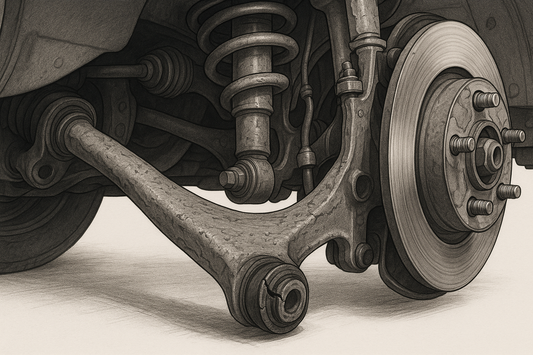
First, the basics: Ball joints are pivot points that let your wheels move up/down (suspension) and turn left/right (steering). They’re designed to handle constant motion, weight, and road impacts. Over time, though, wear and tear take their toll:
- Lubrication breakdown: Seals crack, letting dirt/water in and grease out.
- Excessive stress: Potholes, off-roading, or heavy loads accelerate wear.
- Age: Most ball joints last 70,000–150,000 miles, depending on driving conditions.
When they fail, your car’s handling becomes unpredictable. The good news? Failing ball joints send clear signals while you’re behind the wheel.

6 Signs of Bad Ball Joints to Watch for While Driving
1. Clunking or Knocking Noises Over Bumps
The most common symptom: a loud “clunk” or knocking sound when you hit potholes, speed bumps, or uneven pavement. This happens because worn ball joints develop play (looseness), causing metal parts to collide as the suspension moves.
Where it happens: The noise often comes from the front wheels, but can be felt in the floorboard or steering wheel.
2. Steering Wander or Drifting
A healthy ball joint keeps your wheels aligned with the steering input. Bad ball joints? Your car may:
- Drift to one side even on straight, flat roads.
- Require constant steering corrections to stay in your lane.
Test it: Let go of the wheel (briefly, in a safe area) and see if the car tracks straight. If it drifts, ball joints (or worn tie rods/bushings) could be the culprit.
3. Vibration in the Steering Wheel
A shaky steering wheel at low speeds (under 30 mph) is a red flag. Unlike tire imbalance (which vibrates at higher speeds), ball joint wear causes:
- Low-speed vibration: Especially when turning into a driveway or parking.
- “Loose” feeling: The wheel may feel disconnected from the wheels.
4. Uneven Tire Wear
Worn ball joints throw off wheel alignment, causing tires to scrub unevenly. Look for:
- Feathering: Tread edges worn smooth on one side.
- Cupping: Deep, scalloped grooves in the tire surface.
Pro Tip: Check tires monthly—early wear can hint at suspension issues before they get worse.
5. Squeaking or Grinding When Turning
A high-pitched squeak (especially at slow speeds) often means the ball joint’s seal is broken, letting dirt grind against the metal. A deeper grinding noise? That’s metal-on-metal contact—critical failure is near.
Example: You hear a squeak while parallel parking. Ignoring it could lead to a seized ball joint, making steering impossible.
6. Poor Handling on Curves
Bad ball joints make cornering feel unstable. Your car may:
- “Dive” or “squat” more than usual when braking/accelerating.
- Feel “floppy” in turns, like the wheels aren’t responding to steering input.

What Happens If You Ignore Bad Ball Joints?
Putting off repairs isn’t just risky—it’s costly. Failing ball joints can:
- Seize: Lock the suspension, making steering impossible (immediate crash risk).
- Separate: The wheel could detach from the car at speed.
- Damage other parts: Worn ball joints stress tie rods, bushings, and control arms, hiking repair costs.
Real-World Cost: Replacing a single ball joint averages $150–$300 (parts + labor). Ignoring it could lead to $500+ in suspension repairs.
How to Confirm Ball Joint Wear (Even at Home)
If you notice symptoms while driving, do this quick check when parked:
- Lift the front of the car (use jack stands—never rely on a jack alone).
- Grasp the tire at 12 o’clock and 6 o’clock.
- Wiggle the tire up/down. If you feel movement, the ball joint is loose.
Note: Some “preload” (slight movement) is normal, but excessive play means replacement.
Loosoo Ball Joints: Built for Durability, Backed by Testing
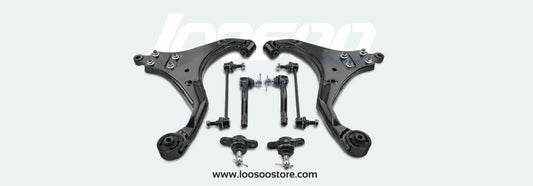
Not all ball joints are created equal. Loosoo, trusted by mechanics for 20+ years, designs ball joints to outlast the competition:
- Sealed for life: Premium rubber boots keep dirt/water out, extending lubrication.
- Heat-treated steel: Resists wear from potholes and heavy loads.
- OE-quality fit: No modifications needed—bolts right into your car’s suspension.
Customer Feedback: “My 4x4 eats ball joints, but Loosoo’s lasted 50,000 miles longer than the cheap ones. Worth every penny.” — Jake, Off-Road Enthusiast

FAQ: Ball Joints, Costs, and More
Q: How much does ball joint replacement cost?
A: $150–$300 per joint (parts + labor). Luxury or off-road vehicles can cost $400+ per joint.
Q: Can I drive with bad ball joints?
A: Never—they can fail without warning. If you hear clunks or feel wander, pull over and call a tow truck.
Q: Do I need to replace both ball joints at the same time?
A: Yes. If one is worn, the other is likely close to failing. Replacing both saves future labor costs.
Q: What’s the difference between ball joints and bushings?
A: Ball joints allow pivoting; bushings (rubber/urethane) absorb vibration. Worn bushings cause rattling, while bad ball joints cause steering issues.
Beyond Symptoms: How to Extend Ball Joint Life
Prevent premature wear with these tips:
- Avoid potholes: Slow down—hard impacts shear ball joint seals.
- Lubricate (if serviceable): Some ball joints have grease fittings—lubricate every 30,000 miles.
- Check alignment annually: Misalignment stresses ball joints.
Final Take: Trust Your Gut (and Your Car’s Noises)
Bad ball joints don’t just “happen”—they scream for attention with clunks, drifts, and vibrations while you’re driving. By learning these symptoms, you can act fast to avoid danger and costly repairs.
For peace of mind, choose Loosoo ball joints—engineered to handle the worst roads and last longer. After all, your safety’s worth investing in.