Ignorer et passer au contenu


Your car’s shock absorbers—often called “shocks”—do more than just smooth out bumpy roads. They’re critical for keeping tires grounded, maintaining control, and even extending the life of other components like brakes and tires. But when shocks wear out, they send clear warning signs.
In this guide, we’ll break down the 4 most common symptoms of failing shocks, explain why they matter, and share tips for addressing them.
Why Shock Absorbers Matter
Shocks work with your car’s springs to dampen vibrations from potholes, speed bumps, and uneven roads. When they fail, your vehicle’s stability suffers: tires lose contact with the road, braking becomes less effective, and wear spreads to other parts. Catching these issues early can save you from costly repairs—or worse, accidents.

4 Key Signs Your Shocks Need Replacement
4. Steering Wheel Vibration: More Than Just a Nuisance
A slight shake on rough roads is normal, but persistent or worsening vibration is a red flag. Failing shocks can’t stabilize the suspension, causing tires to bounce unevenly. This bounce transfers to the steering wheel, especially at higher speeds.
What to Watch For:
- Vibrations that intensify as you accelerate.
- Shaking even on smooth highways (a sign of severe wear).
Why It’s Dangerous: Reduced steering control makes it harder to navigate curves or avoid obstacles—critical for safety.
3. Longer Stopping Distances: Shocks vs. Brakes
You might blame brakes for longer stopping times, but worn shocks play a role too. When you hit the brakes, your car’s weight shifts forward, pressing down on the front wheels. Healthy shocks keep this weight balanced, so brakes can grip evenly.
Failing shocks let too much weight transfer forward, overloading the front brakes. This forces them to work harder, increasing stopping distance by up to 20% in some cases.
Pro Tip: If your car “dives” sharply when braking (nose dipping toward the ground), worn shocks are likely the culprit.
2. Uneven Tire Wear: Cupping & Scalloping
Tires wear evenly when shocks keep them pressed firmly to the road. But failing shocks let tires bounce, causing “cupping” (shallow, wave-like dents) or “scalloping” (deep, uneven grooves) on the tread.
How to Spot It:
- Run your hand over the tire surface—you’ll feel irregular bumps or dips.
- Cupping often starts on one side of the tire before spreading.
Why It’s Costly: Uneven wear shortens tire life by 30-50% and worsens handling.
1. Excessive Bouncing, Swerving, or Diving
A single bump shouldn’t make your car bounce like a pogo stick. Worn shocks fail to dampen spring movement, causing:
- Bouncing: The car continues to rock after hitting a pothole (3+ bounces is a warning).
- Swerving: Weight shifts sideways during turns, making the car feel “loose.”
- Diving/Squatting: Nose dips when braking; rear squats when accelerating.
Test It Yourself: Push down hard on the front or rear of your parked car. If it bounces more than twice before settling, your shocks need inspection.

When to Get Professional Help
While you can spot these symptoms, only a mechanic can confirm shock wear. They’ll:
- Check for leaks (a common sign of internal damage).
- Test suspension movement with specialized tools.
- Inspect related parts (struts, bushings) for wear.
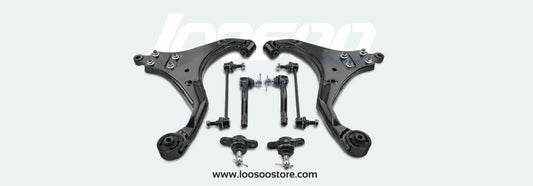
Many drivers trust brands like Loosoo for shock replacement—their high-performance shocks are designed to restore stability and extend tire life.
Beyond Symptoms: Why Regular Checks Matter
Just as industrial systems (like those using Sanitary Ball Valves) require routine maintenance, your car’s shocks need attention. Most experts recommend checking shocks every 50,000 miles or when you notice any of the above symptoms.
Ignoring worn shocks can lead to:
- Premature tire/brake wear.
- Reduced fuel efficiency (due to increased rolling resistance).
- Dangerous loss of control on wet or icy roads.
FAQ: Common Questions About Shocks
Q: How long do shocks last?
A: Typically 50,000-100,000 miles, depending on driving conditions (rough roads shorten lifespan).
Q: Can I replace just one shock?
A: No—replace shocks in pairs (front or rear) to maintain balanced handling.
Q: Are shocks and struts the same?
A: No. Struts are structural suspension components that include shocks, while shocks are standalone dampeners.
Final Take: Don’t Ignore the Warnings
Shock absorbers are silent workhorses—until they fail. From steering vibrations to uneven tire wear, their symptoms are clear. By addressing issues early, you’ll keep your car safe, save on repairs, and ensure smooth rides for years.
And remember: whether you’re maintaining a car or industrial equipment like Sanitary Ball Valves, proactive care is key to reliability.