 Skip to content



loosoostore
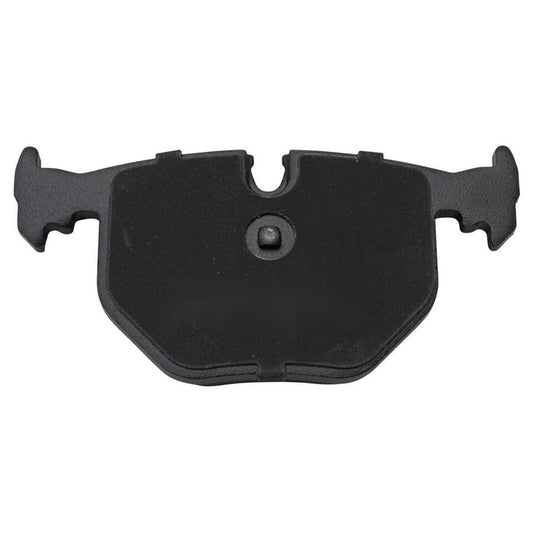
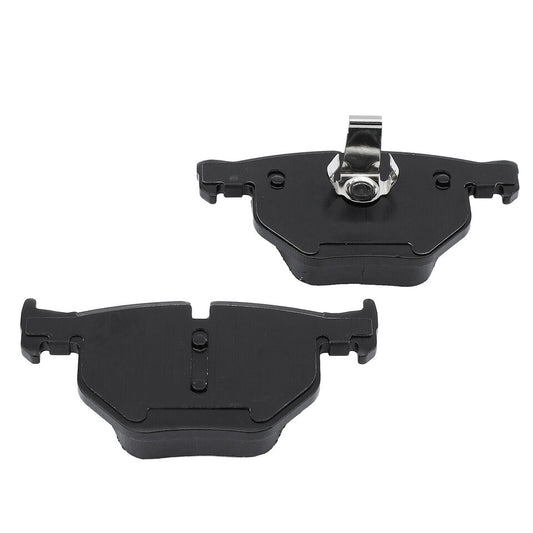
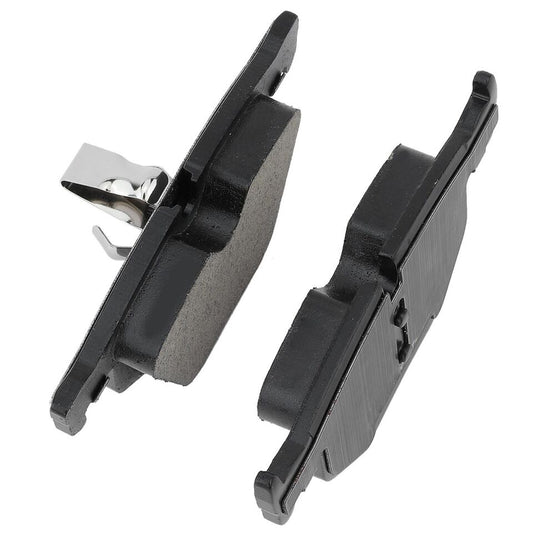
2020 BMW X3 Brake Pads
2020 BMW X3 Brake Pads
Parts: brake pad set
Brand: loosoo
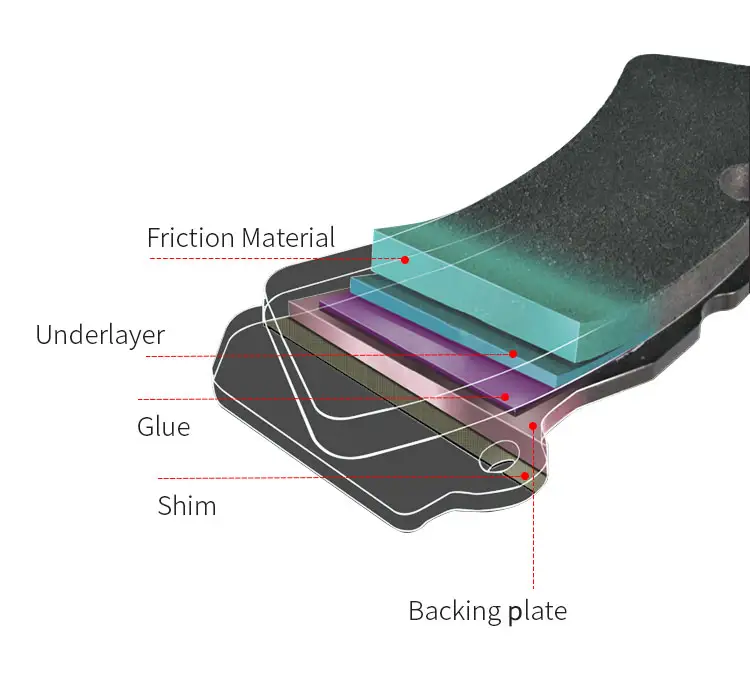
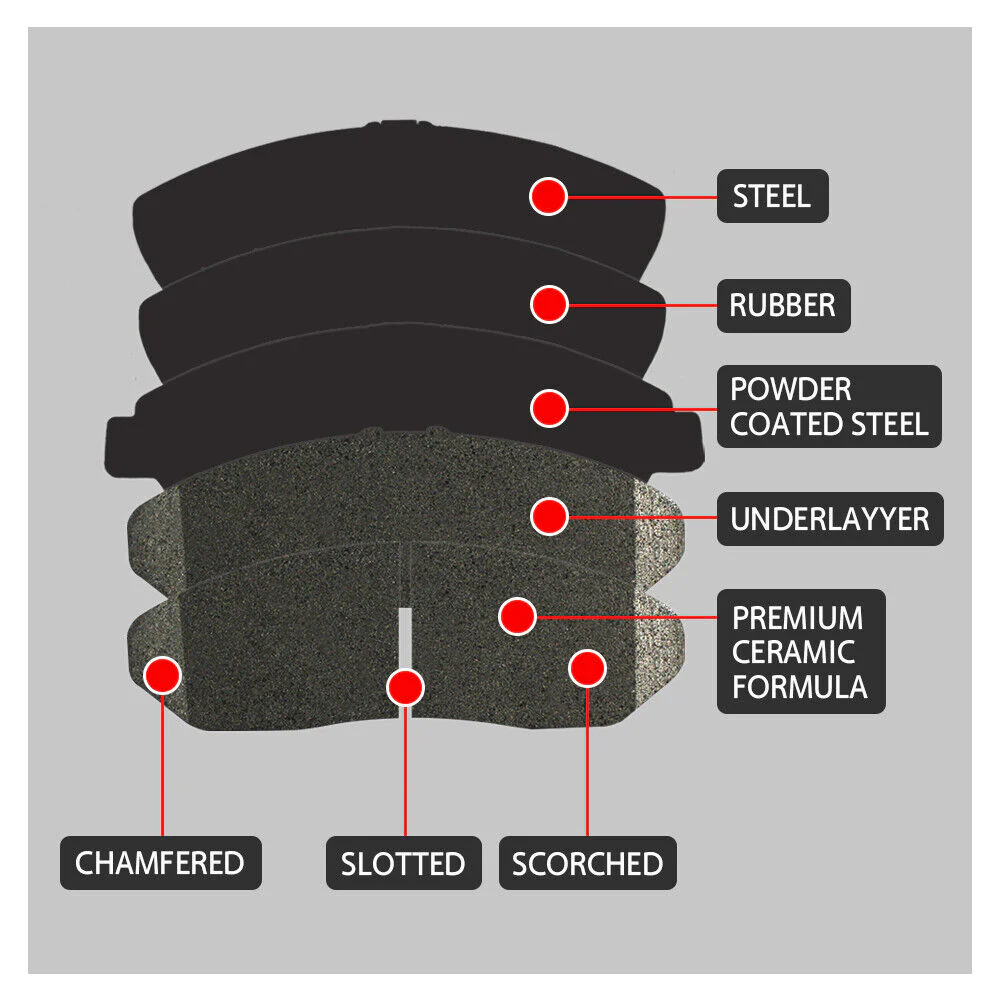
Pad material: ceramic/semi-metal/less metal
Recommended use: OEM replacement
Replace original equipment number: 34 11 4 073 936,34 21 6 796 741
Interchangeable part numbers: 34 11 4 073 936,34 21 6 796 741
Data download
Data download
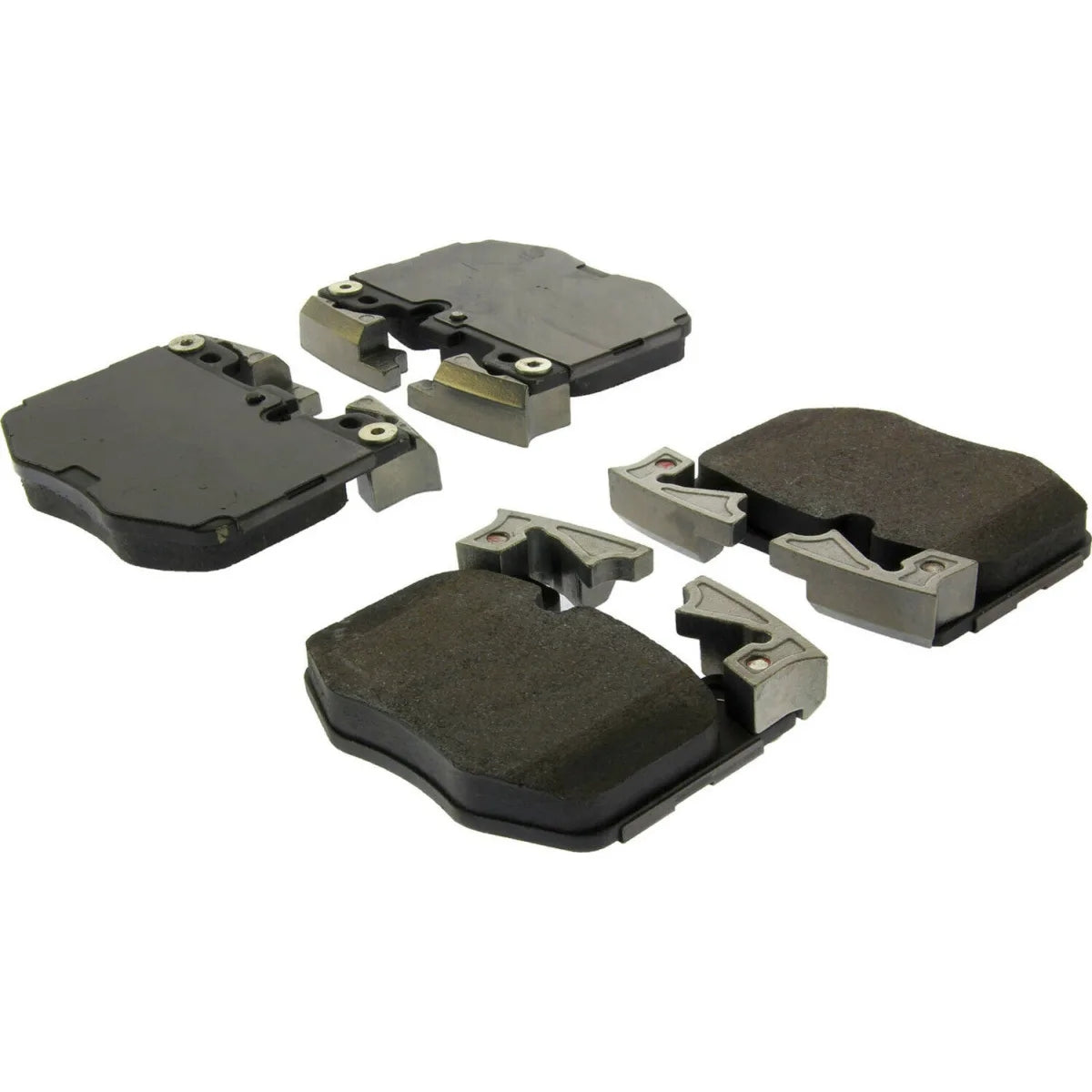
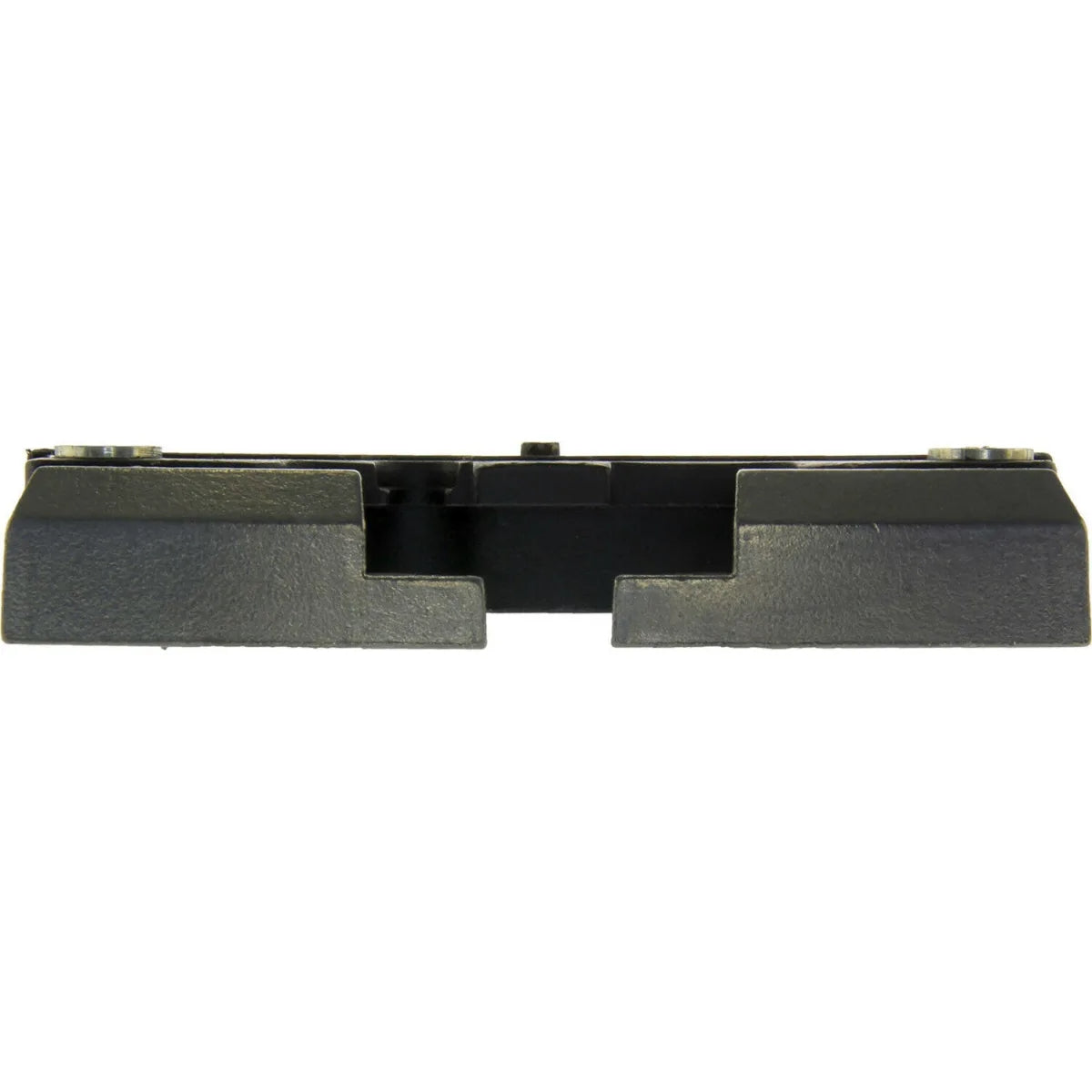
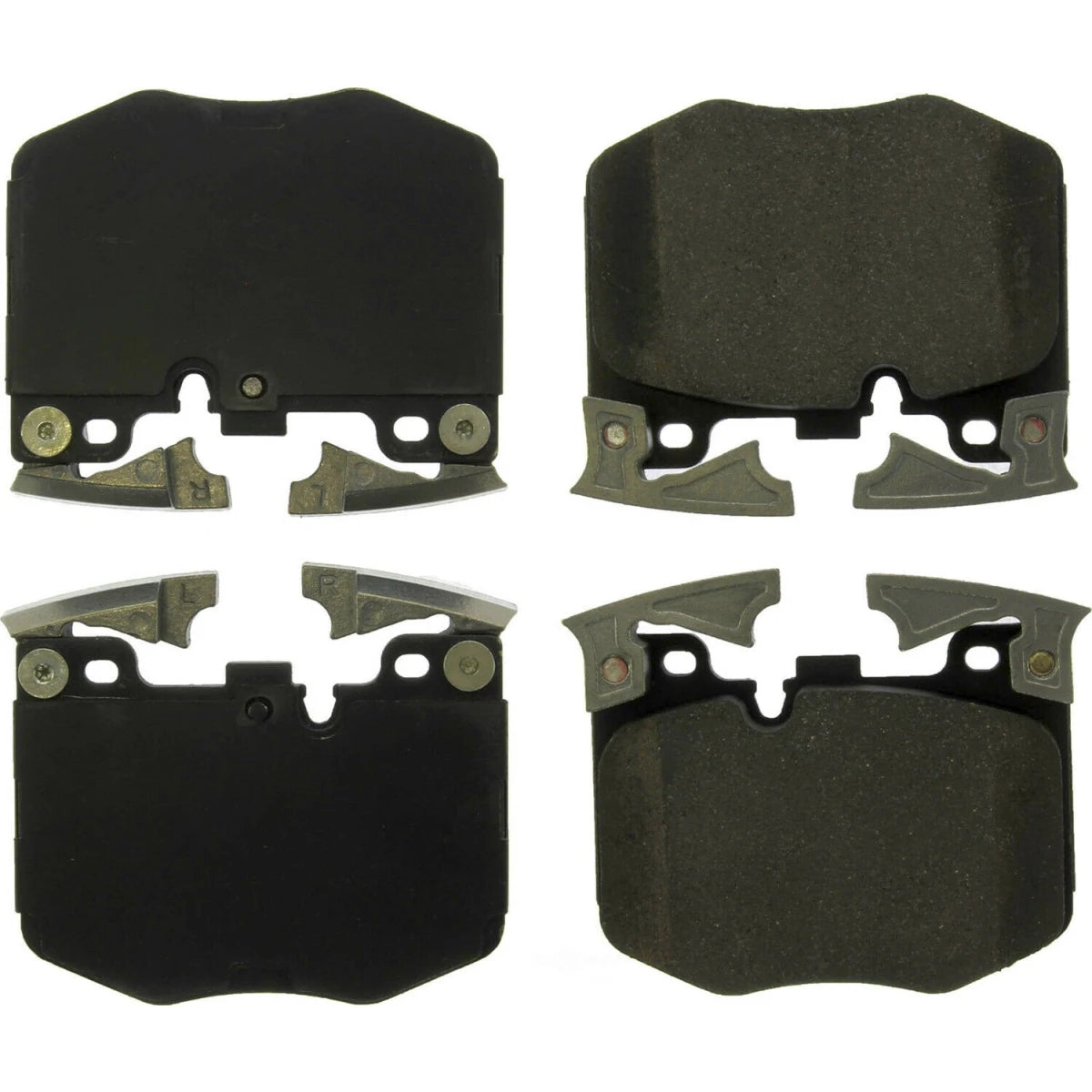

2020 BMW X3 Brake Pads
Corrosion Resistance
loosoostore
Customized Friction Coefficients
Autoparts
Track-Tested Performance
BMW brake pads
Compatible Models




Autoparts Manufacturers

FAQs of Brake Pad
How many years do brake pads last?
On average, brake pads typically last between 30,000 to 70,000 miles (48,000 to 112,000 kilometers).
How do you check brake pads for wear?
Visually inspect the brake pads for thickness. Most brake pads have a wear indicator slot in the middle. If the pad thickness is close to or below this slot, it's time to replace them.
Brake pad replacement cost
The cost of brake pad replacement can vary depending on several factors, such as the make and model of your vehicle, the quality of the brake pads you choose, and the labor rates in your area.
How long do brakes last?
On average, brake pads can last anywhere from 30,000 to 70,000 miles, while brake rotors can last between 50,000 to 70,000 miles
Contact form
We primarily offer wholesale services, specializing in providing high-quality automotive parts for bulk customers.
Blog
View all-
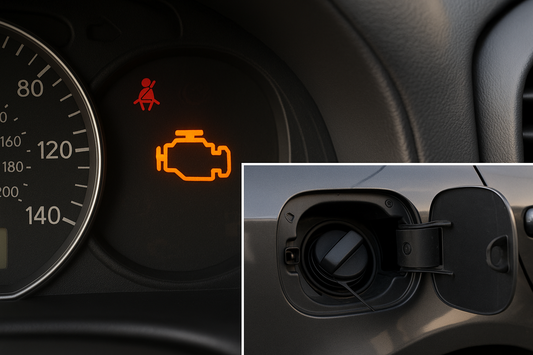
Check Engine Light on Gas Cap Loose
A loose gas cap is a common, low-stress reason for a check engine light—and often the easiest to resolve.
Check Engine Light on Gas Cap Loose
A loose gas cap is a common, low-stress reason for a check engine light—and often the easiest to resolve.
-
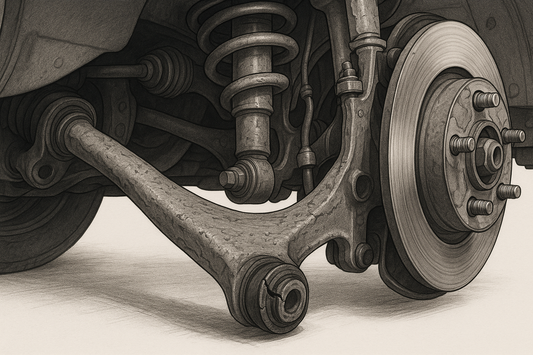
Can a Bad Control Arm Cause Clicking Noise?
Control arms are critical suspension components that connect the wheel hub to the vehicle’s frame, allowing for smooth movement while keeping the wheels aligned.
Can a Bad Control Arm Cause Clicking Noise?
Control arms are critical suspension components that connect the wheel hub to the vehicle’s frame, allowing for smooth movement while keeping the wheels aligned.
-
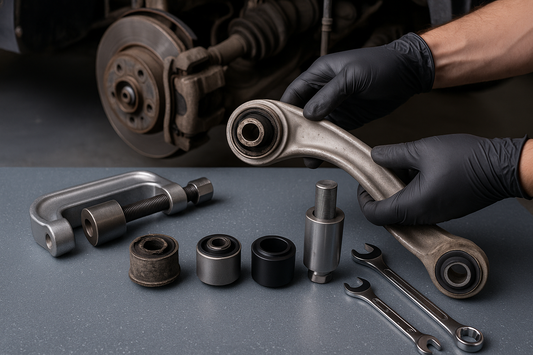
Control Arm Bushing Replacement Cost
If you’ve noticed clunking noises when turning, uneven tire wear, or a loose steering feel, your vehicle’s control arm bushings might be failing.
Control Arm Bushing Replacement Cost
If you’ve noticed clunking noises when turning, uneven tire wear, or a loose steering feel, your vehicle’s control arm bushings might be failing.
-
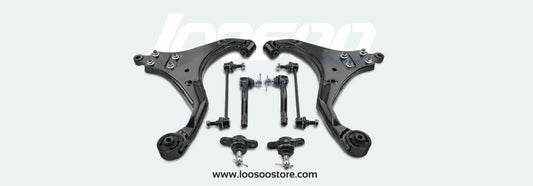
Upper vs. Lower Control Arm
If your car feels wobbly on bumpy roads or your tires wear unevenly, the culprit is likely your control arms—critical suspension parts that keep wheels aligned and your ride stable.
Upper vs. Lower Control Arm
If your car feels wobbly on bumpy roads or your tires wear unevenly, the culprit is likely your control arms—critical suspension parts that keep wheels aligned and your ride stable.
