Ir directamente al contenido


Suspension bushings are the unsung heroes of your car’s ride quality—small, rubber or polyurethane components that absorb road shocks, keep wheels aligned, and prevent clunky noises. But when they wear out, you’ll notice: uneven tire wear, loose steering, or a jarring ride over bumps. If you’re asking, “How much does it cost to replace suspension bushings?” this guide breaks down the real-world expenses, what affects the price, and how to avoid hidden fees.
What Are Suspension Bushings, and Why Do They Need Replacement?
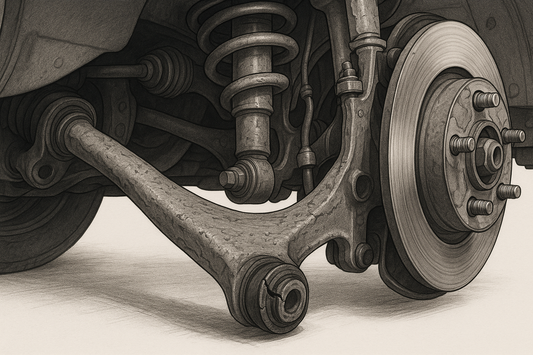
Suspension bushings are cushioning components that connect moving parts of your vehicle’s suspension system. Think of them as shock absorbers for metal: they reduce friction, dampen vibrations, and keep critical parts (like control arms and sway bars) aligned.
Common types of bushings you’ll encounter:
- Control Arm Bushings: Between the control arm and frame—absorb pothole impacts and keep wheels stable.
- Stabilizer (Sway Bar) Bushings: Clamp the sway bar to the frame—minimize body roll during turns.
- Subframe Bushings: Under the engine/transmission—reduce noise and prevent subframe flex.
Over time, heat, oil leaks, and road debris degrade bushings, causing cracks or tearing. Ignoring them leads to worse handling, faster tire wear, or even damage to pricier parts like control arms.

The Real Cost of Suspension Bushing Replacement
Bushing replacement costs vary widely based on your car’s make, the number of bushings needed, and where you get the work done. Here’s a detailed breakdown:
1. Parts Cost: Bushing Type & Material Matters
Bushings come in two main materials—rubber (OEM standard) and polyurethane (durable, performance-focused).
| Bushing Type | Rubber Bushing Cost (Per Unit) | Polyurethane Bushing Cost (Per Unit) |
|---|---|---|
| Control Arm Bushings | $15–$30 | $30–$50 (lasts 2x longer) |
| Sway Bar Bushings | $10–$20 | $25–$40 (less noise, better grip) |
| Subframe Bushings | $20–$40 | $50–$80 (critical for heavy-duty use) |
Example: A Honda Civic might need 4 control arm bushings ($15 each) + 2 sway bar bushings ($10 each) = ~$80 in parts. A Ford F-150’s subframe bushings could cost $50+ per unit.
2. Labor Cost: Accessibility Drives Price
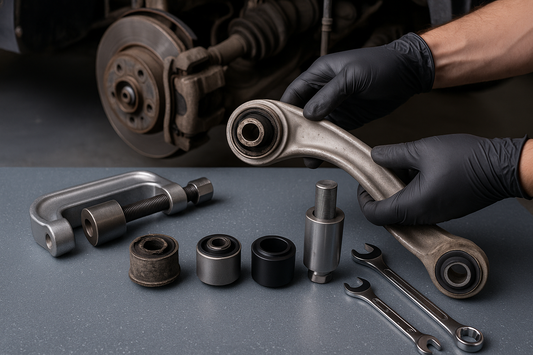
Labor is often the biggest expense—bushings are tricky to replace. Mechanics need to:
- Jack up the car and remove wheels.
- Press out old bushings (often with a hydraulic press).
- Install new bushings (alignment is critical).
Average labor rates:
- Front Suspension: $145–$200 (easier to access, 2–3 hours).
- Rear Suspension: $150–$250 (tighter spaces, 3–4 hours).
Pro Tip: Some shops charge by the hour ($80–$120/hr), so a 3-hour job could hit $360.
3. Hidden Fees: Alignment & Extra Repairs
Don’t forget these add-ons:
- Wheel Alignment: After bushing replacement, wheels often go out of alignment. Cost: $75–$125.
- Control Arm Replacement: If bushings are seized, the entire control arm might need replacing (costs $100–$300 per arm, plus labor).
- Suspension Inspection: Mechanics might find worn ball joints or tie rods during the job—adding $50–$200 per part.

Total Cost Range: Front vs. Rear
- Front Suspension Bushings: $175–$400 (parts + labor + alignment).
- Rear Suspension Bushings: $200–$500 (more complex, plus potential alignment).
Example Scenario: Replacing front control arm bushings (4 rubber bushings: $60) + labor ($180) + alignment ($100) = ~$340.
How to Save Money on Bushing Replacement
- DIY if You’re Handy: Bushing presses rent for $50–$100/day, and bushings are cheap. But be careful—misalignment ruins tires.
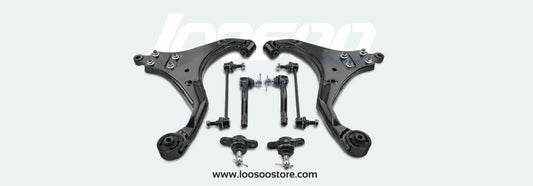
- Choose Polyurethane for Durability: Yes, they’re pricier, but they last 2–3x longer than rubber (great for off-road or heavy-use vehicles). Brands like Loosoo offer polyurethane bushings with lifetime warranties.
- Compare Shops: Local mechanics often charge less than dealerships. Ask for a quote before agreeing to “extra” repairs.
When to Replace Suspension Bushings (Signs to Watch For)
Don’t wait for a breakdown—replace bushings if you notice:
- Clunking Noises: Especially over bumps or when turning.
- Loose Steering: The car drifts or feels “wobbly” on the highway.
- Uneven Tire Wear: Worn bushings misalign wheels, causing tires to scrub.
- Vibration in the Cabin: Road noise or shaking that worsens with speed.
Final Take: Budget Smart, Ride Smooth
Replacing suspension bushings isn’t cheap, but it’s far less expensive than fixing a blown control arm or total suspension failure. By understanding the costs (parts, labor, and hidden fees) and choosing durable materials like Loosoo’s polyurethane bushings, you’ll keep your ride smooth and your wallet happy.