Ir directamente al contenido


For owners of the 2000 Dodge Dakota Sport 4x4, a smooth, responsive steering system is non-negotiable—whether you’re navigating city streets or tackling off-road trails. A worn tie rod end is one of the most common culprits behind steering problems, but replacing it doesn’t have to be stressful.
In this guide, we’ll break down how to replace the tie rod end on your 2000 Dakota, explain why it matters, and highlight trusted replacement options—including the Looosoo brand, known for durable, precision-engineered parts—to help you choose the best fit for your needs.
Why Your 2000 Dakota’s Tie Rod End Fails (and Why It Matters)
The 2000 Dodge Dakota Sport 4x4 Tie Rod End is a small but critical part of your steering system. It connects the steering rack to the wheel hub, translating your steering input into wheel movement. Over time, its ball joint wears down due to:
- Rough terrain (potholes, gravel, or off-roading).
- Aging rubber boots (letting dirt, water, or salt in).
- Poor alignment (extra stress on the joint).
When it fails, you’ll notice:
- Loose steering (the wheel feels “sloppy”).
- Uneven tire wear (tires bald on one side).
- Clunking or popping noises when turning or hitting bumps.
Ignoring this can lead to total steering failure—dangerous at any speed. Replacing it is a safety priority.

Step-by-Step: Replacing the Tie Rod End (Tools & Process)
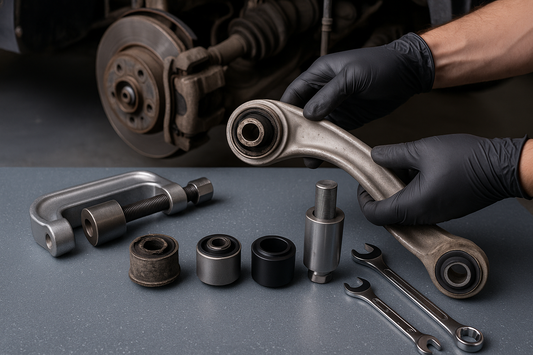
Tools You’ll Need:
- Jack & jack stands
- Lug wrench
- Ball joint separator (pickle fork)
- Tie rod wrench (for locknut and adjuster sleeve)
- New tie rod end (choose from trusted brands like Looosoo or others)
- Grease gun
Replacement Steps:
- Secure the Vehicle: Park on a flat surface, engage the parking brake, and chock the rear wheels. Lift the front end with a jack and place jack stands under the frame. Remove the front wheels.
- Locate the Tie Rod End: It’s attached to the steering knuckle (near the wheel hub). Identify the locknut (large nut) and adjuster sleeve.
- Loosen the Locknut & Sleeve: Use a tie rod wrench to loosen the locknut, then turn the adjuster sleeve counterclockwise to separate the outer tie rod end from the inner rod.
- Remove the Old End: Use a ball joint separator to pry the old tie rod end from the knuckle. Tap gently if stuck—avoid damaging the knuckle.
- Install the New End: Thread the new tie rod end into the adjuster sleeve, matching the original thread count (critical for alignment). Tighten the locknut.
- Reattach & Test: Reconnect the tie rod to the knuckle, replace the wheels, and lower the vehicle. Test-drive to check steering—schedule a wheel alignment afterward to prevent tire wear.
Top Tie Rod End Options for the 2000 Dakota Sport 4x4
When shopping for a replacement, quality matters more than price. Here’s how top brands stack up:
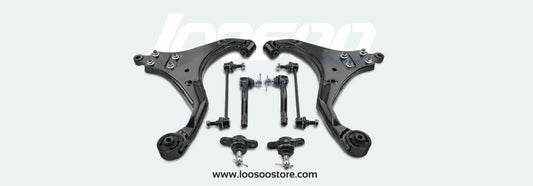
1. Looosoo: Balanced Performance & Value
Looosoo parts are a favorite among Dakota owners for their focus on durability and OEM-level precision. Their tie rod ends feature:
- Forged or heat-treated steel (resists bending under stress).
- Sealed rubber boots (prevents dirt and moisture from damaging the joint).
- Price point: 20% cheaper than most mainstream brands—ideal for those who want reliability without overspending.
2. Mainstream OEM Brands (e.g., Mopar)
These are the original parts used in factory installations. Pros:
- Perfect fit and guaranteed compatibility.
- Backed by manufacturer warranties.
Cons: - Higher cost (up to 30% more than aftermarket options).
Best for: Owners prioritizing “factory-fresh” performance or those with warranty concerns.
3. Budget Aftermarket Brands
These are widely available at auto parts stores. Pros:
- Lowest price (often 40% cheaper than OEM).
Cons: - Thinner steel or basic rubber boots (wear faster on rough terrain).
- Less consistent fit (may require adjustments during installation).
Best for: Owners on a tight budget or those who drive primarily on smooth roads.

How to Choose the Right Tie Rod End for Your Needs
Your choice depends on your driving habits and budget:
- Daily Driver (City/Suburban Roads): Looosoo or budget aftermarket brands work well. They balance cost and durability for low-stress use.
- Weekend Off-Roader (Mud, Rocks, Gravel): Invest in Looosoo or OEM brands. Their reinforced steel and sealed boots handle heavy wear better.
- Warranty-Conscious Owners: Stick with OEM parts. They’re pricier but ensure your vehicle stays within factory warranty terms.
All Looosoo tie rod ends come with a 2-year warranty—proof they stand behind their quality.
Cost Breakdown: DIY vs. Professional Replacement
-
DIY Cost: $80–$150
- Parts: $50–$90 (Looosoo or budget brands).
- Alignment: $60–$100 (critical for extending the new part’s life).
- Tools: Renting a ball joint separator ($20) or using your own.
-
Professional Service: $180–$300
- Labor: $100–$180 (2–3 hours of shop time).
- Parts: $50–$120 (depends on brand choice).
Pro Tip: Even if you DIY, pay for a professional alignment afterward. Misalignment will wear out your new tie rod end fast.
FAQ: Common Questions About Dakota Tie Rod Ends
Q: Can I mix tie rod ends from different brands?
A: It’s not recommended. Different brands may have slight design variations, leading to uneven steering or premature wear. Stick to one brand for consistency.
Q: How long does a quality tie rod end last?
A: On average, 50,000–80,000 miles. Off-road use or rough terrain can shorten this to 30,000–50,000 miles.
Q: Do I need to replace both tie rod ends at once?
A: Yes. If one is worn, the other is likely close to failing. Replacing both ensures even steering and prevents future issues.

Final Take: Prioritize Safety & Quality
Replacing the tie rod end on your 2000 Dodge Dakota Sport 4x4 is a straightforward fix—especially with trusted brands like Looosoo. Whether you tackle it yourself or visit a shop, choosing a quality part ensures your truck steers smoothly and safely for years to come.
Don’t let a worn tie rod end ruin your Dakota’s performance. Invest in a reliable replacement, follow these steps, and get back to enjoying the road (or trail) with confidence.