Skip to content


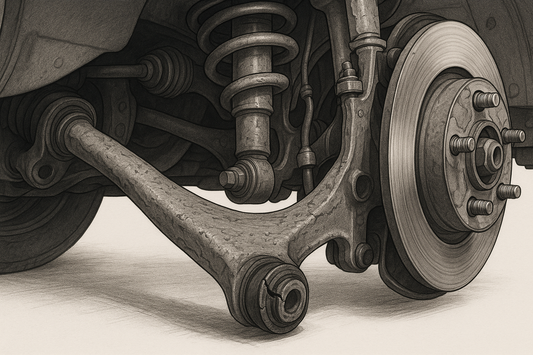
Car shocks, also known as shock absorbers, are a crucial component in the suspension system of a vehicle. They play a vital role in ensuring a smooth and comfortable ride by absorbing the impact caused by road irregularities. However, with time and usage, car shocks can wear out, affecting the vehicle's performance and safety. So, what is the average lifespan of car shocks? Let's explore this question in detail.
Factors That Affect the Lifespan of Car Shocks
The lifespan of car shocks can vary significantly depending on several factors. One of the main factors is the quality of the shocks themselves. Higher-quality shocks are typically made from durable materials and are designed to withstand more wear and tear. Conversely, cheaper shocks may not last as long and may need to be replaced more frequently.
Another factor that affects the lifespan of car shocks is the driving conditions. Driving on rough roads or in areas with frequent potholes and bumps can put extra strain on the shocks, reducing their lifespan. Similarly, driving habits, such as frequent braking or acceleration, can also impact the lifespan of the shocks.
Maintenance and care of the vehicle's suspension system are also crucial. Regularly checking the shocks for signs of wear and tear, such as leaks or damage to the mounting points, can help identify potential problems early on. Promptly replacing worn-out shocks can prevent further damage to the suspension system and extend the lifespan of the remaining components.
Average Lifespan of Car Shocks
Generally speaking, the average lifespan of car shocks can range from anywhere between 50,000 to 100,000 miles, depending on the factors mentioned above. However, it's important to note that this is just a general estimate, and the actual lifespan can vary widely based on individual vehicles and driving conditions.
Some high-quality shocks may last even longer, while cheaper or worn-out shocks may need to be replaced sooner. It's always a good idea to consult your vehicle's manual or consult with a professional mechanic to get a more accurate estimate of the expected lifespan of your car's shocks.

In conclusion, the average lifespan of car shocks can be influenced by a variety of factors, including the quality of the shocks, driving conditions, and maintenance practices. While there is no definitive answer to how long car shocks will last, understanding these factors can help you make informed decisions about when to replace them. Regularly inspecting your car's shocks and staying vigilant for signs of wear and tear can ensure a smoother, safer, and more comfortable driving experience.