Skip to content


If you’ve ever wondered why your car handles smoothly around corners or absorbs potholes without jolting, thank two unsung heroes of your suspension system: the swing arm and control arm. These components work in tandem to keep wheels aligned, shocks dampened, and your ride stable—but their roles and designs differ drastically.
In this guide, we’ll break down the core differences between swing arms and control arms, their unique functions, and why understanding them matters for maintenance (and avoiding costly repairs like control arm replacement).
Core Differences at a Glance
Before diving deeper, here’s a quick comparison to set the stage:
| Feature | Swing Arm | Control Arm |
|---|---|---|
| Typical Location | Rear of motorcycles or select cars | Front/rear of cars (upper/lower) |
| Primary Function | Vertical wheel movement + shock absorption | Wheel alignment + lateral stability |
| Design Complexity | Simple (1–2 shocks) | Varies (single arm to multi-link) |

What Is a Swing Arm? The Rear Suspension Workhorse
A swing arm (or “swingarm”) is a pivoting component that connects the rear wheel to the frame in motorcycles and some rear-wheel-drive cars. Think of it as a “hinge” that lets the wheel move up/down while keeping it aligned with the chassis.
Key Functions of a Swing Arm:
- Vertical Mobility: Allows the rear wheel to rise/fall over bumps, keeping tires in contact with the road.
- Shock Absorption: Works with rear shocks (mono or dual) to dampen impacts, preventing jarring rides.
- Stability: Maintains rear wheel alignment during acceleration, braking, or cornering—critical for motorcycles leaning into turns.
Common Types of Swing Arms:
- Mono-Shock Swing Arm: Found in modern motorcycles (e.g., sportbikes). Uses one central shock for lighter weight and better responsiveness.
- Dual-Shock Swing Arm: Older bikes or heavy-duty models (e.g., cruisers) use two shocks for extra damping power.
- Adjustable Swing Arm: Performance-focused designs let riders tweak wheel angle or height for track/terrain needs.
What Is a Control Arm? The Front Suspension Stabilizer
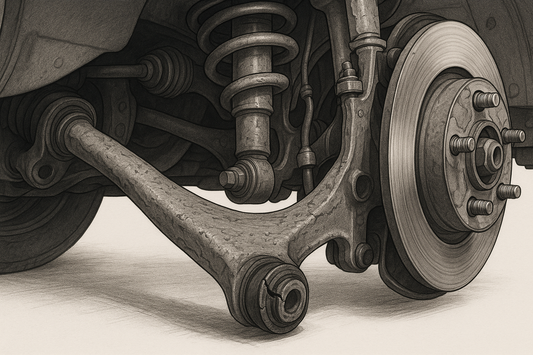
A control arm is a critical front (and sometimes rear) suspension part in cars, linking the wheel hub to the chassis. Unlike swing arms, control arms manage both vertical and lateral movement to keep wheels aligned and steering precise.
Key Functions of a Control Arm:
- Wheel Alignment: Maintains proper camber (wheel tilt) and toe (wheel angle), preventing uneven tire wear.
- Handling Precision: Controls how wheels pivot during turns, ensuring responsive steering.
- Load Distribution: Bears the vehicle’s weight and absorbs road impacts, reducing stress on shocks and struts.
Common Types of Control Arms:
- Upper Control Arm: Mounted above the wheel hub, it fine-tunes camber and works with the lower arm to stabilize vertical movement.
- Lower Control Arm: Below the hub, it carries most of the suspension load—critical for absorbing pothole impacts.
- Multi-Link Control Arms: Luxury/performance cars use 3–5 arms per wheel for hyper-precise alignment, boosting cornering grip.

Why Their Differences Matter for Your Ride
The swing arm and control arm’s distinct roles mean they fail (and need replacement) in different ways:
Swing Arm Issues:
- Wear Signs: Clunking rear noises, uneven tire wear (rear wheels), or a “wobbly” feel at high speeds.
- Repair Focus: Check bushings (connecting the swing arm to the frame) and shocks for leaks/tears.
Control Arm Issues:
- Wear Signs: Loose steering, “drifting” on highways, or uneven front tire wear.
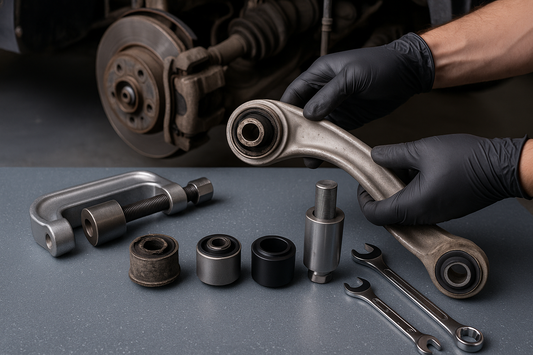
- Repair Focus: Worn bushings or ball joints (common in upper/lower control arms) are the usual culprits. Control arm replacement cost ranges from $150–$400 per arm (parts + labor), depending on the car.
How They Work Together: The Suspension Team
While swing arms dominate rear suspension and control arms rule the front, they collaborate to balance your ride:
- On rough roads, the swing arm absorbs rear impacts, while control arms keep front wheels aligned.
- During hard cornering, swing arms stabilize the rear, and control arms prevent front wheels from “toeing out,” keeping the car planted.
Maintenance Tips to Extend Their Life
- Swing Arms: Inspect bushings yearly for cracks; lubricate pivot points to prevent seizing. For motorcycles, check shock fluid levels.
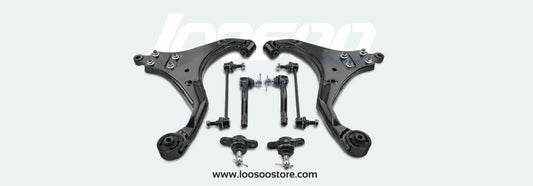
- Control Arms: Listen for clunks over bumps—this signals worn bushings or ball joints. Replace them early to avoid costly control arm replacement later. Brands like Loosoo offer durable, corrosion-resistant control arms (upper/lower) that last 20% longer than OEM parts.
Final Take: Know Your Suspension Stars
Swing arms and control arms may seem similar, but their roles are worlds apart: swing arms keep rear wheels moving smoothly, while control arms ensure front wheels stay aligned and responsive. By understanding their differences, you’ll spot wear early, avoid expensive repairs (like control arm replacement), and keep your ride safe and smooth.