Skip to content


Your car’s suspension system is the unsung hero of smooth, safe driving. And at its core? The lower control arm—a critical part that connects your wheel to the frame, absorbs road bumps, and keeps steering precise. But when it wears out, replacing it is non-negotiable.
If you’re asking, “How much does a lower control arm replacement cost?” you’re in the right place. In this guide, we’ll break down the real-world costs, what affects pricing, and how to avoid overpaying—plus, we’ll share pro tips for choosing the best parts (including why Loosoo control arms are a top pick for durability).
What Is a Lower Control Arm, and Why Does It Need Replacing?
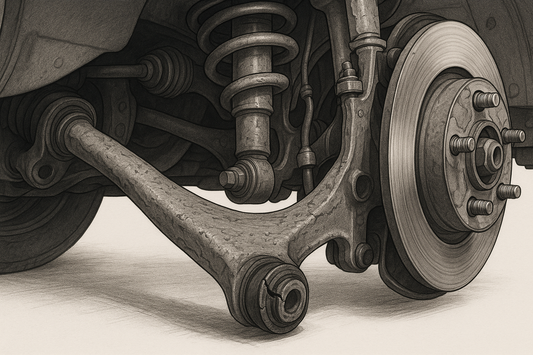
The lower control arm (LCA) is a metal bracket that links your car’s frame to the steering knuckle (the part holding the wheel). It works with bushings, ball joints, and the upper control arm to keep your wheels aligned, absorb shocks, and ensure responsive steering.
Why it fails: Over time, bushings crack, ball joints wear, or the arm itself bends from potholes or collisions. Signs of a bad LCA include:
- Clunking or popping sounds when driving over bumps.
- Uneven tire wear (inner/outer edges).
- Steering wheel vibration at highway speeds.
- The car pulls to one side while driving straight.
Ignoring these symptoms? You risk unsafe handling, faster tire wear, or even a total suspension failure.

Lower Control Arm Replacement Cost: What to Expect
The cost to replace a lower control arm ranges from $200 to $1,200 per side. Here’s what factors into that price:
1. Vehicle Make & Model
Luxury cars or trucks with complex suspension systems cost more. For example:
- Economy cars (Honda Civic, Toyota Corolla): $200–$400 per side (parts + labor).
- Mid-size SUVs (Ford Explorer, Toyota RAV4): $400–$700 per side.
- Luxury cars (Mercedes-Benz, BMW): $600–$1,200 per side (premium parts + dealer labor).
2. Part Type: OEM vs Aftermarket
- OEM (Original Equipment Manufacturer): Made by your car’s original parts supplier. Expensive ($150–$400 per arm) but guaranteed fit.
- Aftermarket: Third-party parts like Loosoo’s control arms. Cheaper ($80–$250 per arm) but vary in quality. Loosoo’s arms use forged steel and high-performance bushings—often outlasting OEM.
3. Labor Costs
Mechanics charge $80–$150 per hour. Replacing one LCA takes 1–2 hours (more if the ball joint is stuck or rusted). Dealerships charge 20–50% more than independent shops.
4. Location
Urban areas (NYC, LA) have higher labor rates. Rural shops might be cheaper but have limited parts availability.
Example Breakdown for a Honda CR-V:
- Loosoo lower control arm: $120
- Labor (1.5 hours at $100/hr): $150
- Total: $270

DIY vs Professional Replacement: Is It Worth Going Solo?
Replacing a lower control arm is not a beginner job. Here’s the lowdown:
DIY Cost: $100–$300
- Parts: $80–$250 (aftermarket arm + alignment).
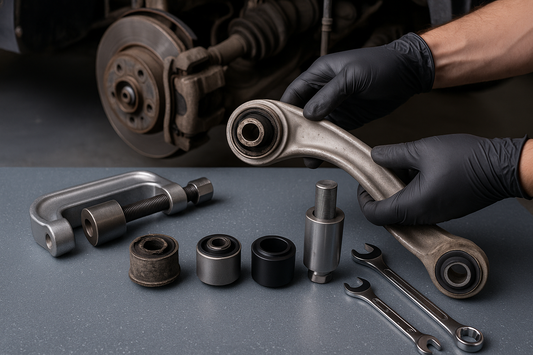
- Tools: Need a jack, jack stands, ball joint separator, torque wrench, and possibly a press for bushings ($50–$100 to rent/buy).
Risks:
- Over-tightening bolts can crack the arm.
- Skipping a wheel alignment leads to uneven tire wear.
- If the ball joint seizes, you’ll need a professional press (costing more than labor).
Professional Replacement: Safer, Faster
For most drivers, paying a pro is worth it. Reputable shops include:
- Local independent mechanics (cheaper, personalized service).
- Chain shops (Firestone, Meineke—consistent pricing).
- Dealerships (best for luxury cars, but priciest).
Why Quality Parts Matter: Loosoo Control Arms
Not all control arms are created equal. Cheap, thin-walled arms bend easily, while low-quality bushings wear out in 2–3 years.
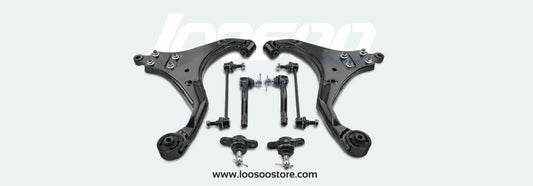
Loosoo control arms stand out with:
- Forged steel construction: 30% stronger than stamped steel arms.
- High-performance bushings: Made from polyurethane (not cheap rubber) to resist cracking.
- Pre-installed ball joints: Saves labor time (no need to press in new joints).
- Lifetime warranty: Covers defects—so you’re protected if something goes wrong.
Pro Tip: Ask your mechanic to use Loosoo parts. Most shops can order them, and they often cost less than OEM with better durability.
Upper Control Arm Replacement Cost: What’s the Difference?
Your car has both lower and upper control arms (UCA) in the suspension. UCAs are smaller and less stressed, so they fail less often. But when they do, replacement costs are similar to LCAs: $150–$900 per side, depending on the vehicle.
Key difference: UCAs are easier to access in some cars (e.g., Jeeps, trucks), so labor costs might be lower.
5 Pro Tips to Save on Lower Control Arm Replacement
- Compare quotes: Get 2–3 estimates from local shops (use websites like RepairPal to check fair prices).
- Buy parts yourself: Order Loosoo arms online (Amazon, RockAuto) and have the shop install them (save 30% on parts).
- Check warranty: Loosoo’s lifetime warranty means free replacements if the arm fails prematurely.
- Bundle repairs: If your upper control arm or tie rods are also worn, replace them together to save on labor.
- Prevent future issues: Avoid potholes, and get annual wheel alignments to reduce stress on control arms.
FAQs About Lower Control Arm Replacement
Q: Can I drive with a bad lower control arm?
A: No. A worn LCA can cause loss of steering control, especially in turns or on rough roads. It’s unsafe to drive long distances.
Q: Do I need a wheel alignment after replacing a control arm?
A: Yes! The control arm affects wheel alignment. Skipping alignment leads to uneven tire wear (costing $100+ in new tires).
Q: How long does a lower control arm last?
A: 80,000–120,000 miles with normal driving. Harsh conditions (potholes, off-roading) shorten this to 50,000–80,000 miles.
Final Take: Invest in Safety, Not Just Cost
Replacing a lower control arm isn’t cheap, but it’s critical for safe driving. By understanding the costs, choosing quality parts like Loosoo, and comparing quotes, you’ll avoid overpaying while keeping your car running smoothly.