Home > News > Can I Drive with a Bad Tie Rod?
Can I Drive with a Bad Tie Rod?

Can I Drive with a Bad Tie Rod?

  Driving with a bad tie rod can be dangerous and potentially lead to a loss of vehicle control. In this article, we will explore the implications of driving with a faulty tie rod, the signs of a bad tie rod, and the potential risks involved.

 What is a Tie Rod?

  A tie rod is a crucial part of the steering mechanism in a vehicle. It connects the steering knuckle to the steering gear, allowing the wheels to turn in response to the steering wheel's input. A bad tie rod can significantly compromise steering control and overall vehicle safety.

 Signs of a Bad Tie Rod

  - Uneven tire wear: A bad tie rod can cause uneven tire wear, as it affects the alignment and stability of the wheels.

  - Steering instability: If you experience looseness or play in the steering wheel, it could indicate a problem with the tie rod.

  - Vibrations and noises: Vibrations or clunking noises while steering can be a sign of a failing tie rod.

 Driving with a Bad Tie Rod

  Driving with a bad tie rod can lead to several risks, including:

  - Loss of steering control: A faulty tie rod can cause the wheels to become misaligned, leading to difficulty steering and potential loss of control, especially in emergency situations.

  - Tire damage: Uneven tire wear caused by a bad tie rod can lead to premature tire failure, increasing the risk of a blowout while driving.

  - Suspension and alignment issues: Continued driving with a bad tie rod can cause damage to other steering and suspension components, leading to more extensive and costly repairs.

  In conclusion, driving with a bad tie rod is not recommended due to the potential safety hazards it poses. If you suspect a problem with your tie rod, it is crucial to have it inspected and repaired by a qualified mechanic to ensure the safety and proper functioning of your vehicle.

Back to blog

Leave a comment

Please note, comments need to be approved before they are published.

  • Check Engine Light on Gas Cap Loose

    Check Engine Light on Gas Cap Loose

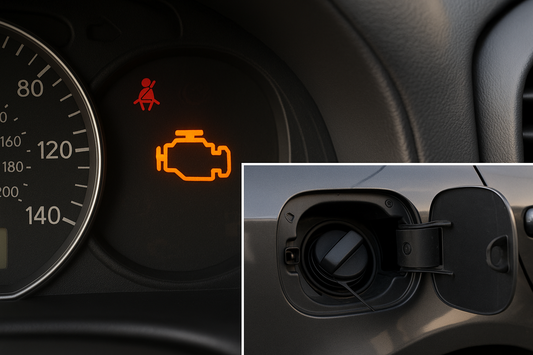
    A loose gas cap is a common, low-stress reason for a check engine light—and often the easiest to resolve.

    Check Engine Light on Gas Cap Loose

    A loose gas cap is a common, low-stress reason for a check engine light—and often the easiest to resolve.

  • Can a Bad Control Arm Cause Clicking Noise?

    Can a Bad Control Arm Cause Clicking Noise?

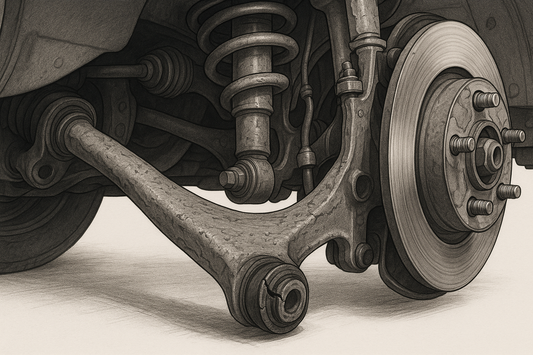
    Control arms are critical suspension components that connect the wheel hub to the vehicle’s frame, allowing for smooth movement while keeping the wheels aligned.

    Can a Bad Control Arm Cause Clicking Noise?

    Control arms are critical suspension components that connect the wheel hub to the vehicle’s frame, allowing for smooth movement while keeping the wheels aligned.

  • Control Arm Bushing Replacement Cost

    Control Arm Bushing Replacement Cost

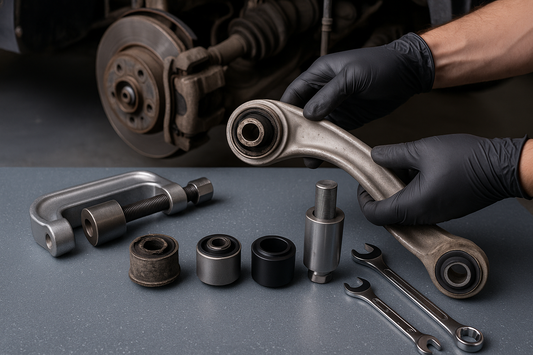
    If you’ve noticed clunking noises when turning, uneven tire wear, or a loose steering feel, your vehicle’s control arm bushings might be failing.

    Control Arm Bushing Replacement Cost

    If you’ve noticed clunking noises when turning, uneven tire wear, or a loose steering feel, your vehicle’s control arm bushings might be failing.

  • Upper vs. Lower Control Arm

    Upper vs. Lower Control Arm

    If your car feels wobbly on bumpy roads or your tires wear unevenly, the culprit is likely your control arms—critical suspension parts that keep wheels aligned and your ride stable.

    Upper vs. Lower Control Arm

    If your car feels wobbly on bumpy roads or your tires wear unevenly, the culprit is likely your control arms—critical suspension parts that keep wheels aligned and your ride stable.

1 of 4