Skip to content


What Does the Control Arm Do?
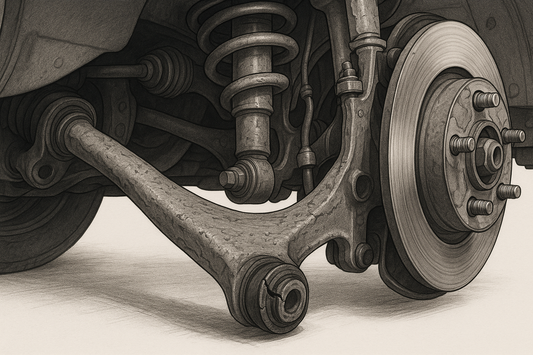
Often overshadowed by shock absorbers, Control Arms (also called Lower Arms, Upper Arms, Links, A-Arms, Suspension Links, or Suspension Arms) are critical suspension components. They connect your wheels to the vehicle frame, maintaining wheel alignment while absorbing road impacts. Ignoring their condition risks safety and driving comfort.
6 Warning Signs of Failing Control Arms
1. Knocking Noises
Worn bushings or ball joints cause audible clunking during steering or on bumpy roads. This distinguishes Control Arm issues from shock absorber noises.
2. Wheel Misalignment
Bent Suspension Links prevent tires from holding alignment. Symptoms include:
- Steering wheel vibration
- Uneven tire wear
- Vehicle pulling to one side
3. Poor Handling
Deformed A-Arms compromise chassis geometry, reducing cornering stability and responsiveness.
4. Reduced Stability at Speed
Damaged Upper/Lower Arms minimize tire-to-road contact, causing swaying during highway driving.
5. Excessive Vibration
Hardened bushings in Suspension Arms transmit road shocks to the cabin, creating a "loose" chassis feel.
6. Unresponsive Steering
Seized ball joints in Control Links cause sticky steering feedback during turns.
Why Do Control Arms Fail?
1.Road Impact Damage
Potholes or speed bumps bend A-Arm bodies and stress ball joints.
2. Chronic Overloading
Exceeding weight limits accelerates wear on Suspension Links.
3. Environmental Corrosion
Road salt, humidity, and extreme temperatures degrade metal and rubber components.
4. Aggressive Driving
Hard braking/acceleration strains Control Arm pivot points.

Loosoo’s Maintenance Solutions
1. Regular Inspections
Check during oil changes for:
- Cracked ball joint boots
- Bushing cracks/hardening
- Visible Link deformations
2. Drive Smart
- Avoid potholes when possible
- Reduce speed on rough roads
- Adhere to load limits
3. Timely Replacement
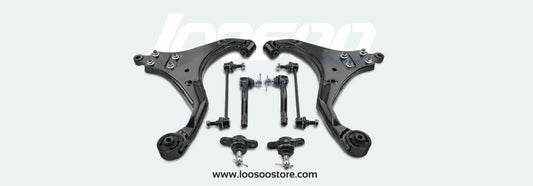
Replace Control Arms every 80,000 miles or 8 years. Loosoo’s precision-engineered arms restore:
- Factory-aligned handling
- Vibration-free comfort
- OEM-grade durability
4. Professional Alignment
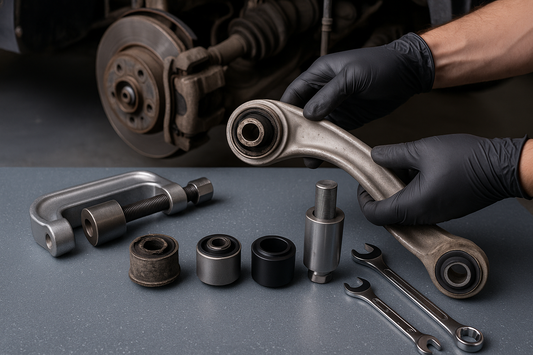
After replacing Suspension Arms, always perform wheel alignment to prevent premature wear.
Conclusion
Control Arms (including Lower Arms, A-Arms, and Suspension Links) are safety-critical components. Recognizing symptoms like steering noise, misalignment, or instability prevents costly repairs and accidents. For lasting performance, choose Loosoo’s rigorously tested suspension components and adhere to proactive maintenance schedules.